Minimize OpenCart Migration Downtime
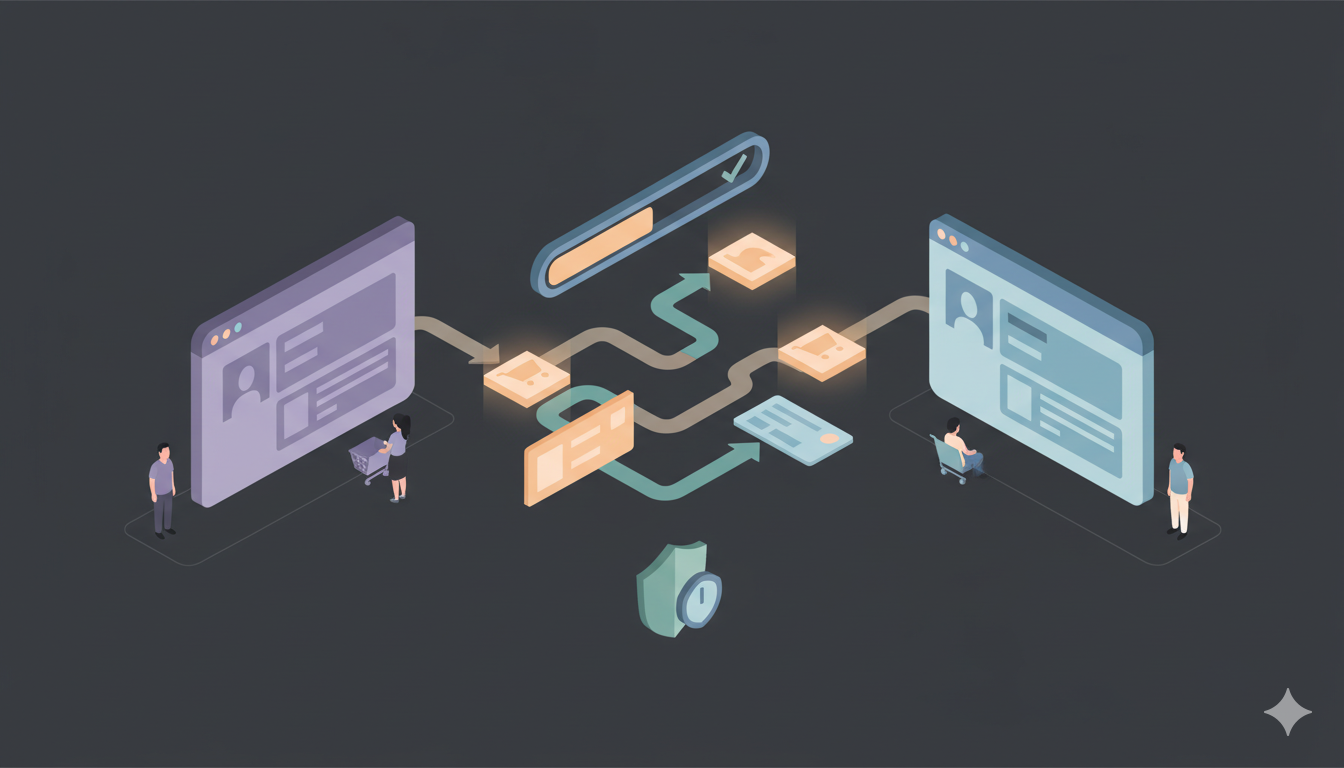
Downtime is the enemy of revenue. In the world of eCommerce, every minute your store is offline costs you sales, trust, and search engine rankings. The fear of "going dark" keeps many merchants stuck on outdated platforms. This guide reveals the professional workflow to migrate to OpenCart with near-zero downtime, ensuring your business keeps selling while you move.
The Cost of Downtime: Why "Maintenance Mode" is Outdated
Traditionally, migrating meant putting up a "Under Construction" page for days. In 2025, this is unacceptable. Calculating your potential loss is simple: (Average Daily Revenue ÷ 24) × Hours Offline. But the hidden costs are worse:
- SEO Damage: Search crawlers hitting 503 errors can de-index your pages.
- Customer Trust: A site that is "down for maintenance" looks unstable to new visitors.
- Ad Spend Waste: If you forget to pause Google Ads, you pay for clicks that land on dead pages.
The modern approach, used by Shopping Cart Mover, utilizes a Live Transfer strategy. This means your current store remains 100% operational during the migration.
The Zero-Downtime Workflow
To achieve a seamless switch, we separate the Data Transfer from the Live Cutover. Follow this exact timeline to keep your store open.
Phase 1: The "Parallel" Setup (Days 1–5)
During this phase, your customers notice nothing. They continue to browse and buy on your old store (Source Cart).
- Step 1: Setup Target OpenCart Store: Install OpenCart on your hosting. Do not point your domain name there yet. Use a temporary subdomain or IP address for setup.
- Step 2: Perform Full Migration: Use Shopping Cart Mover to copy all your products, customers, and historical orders from the Source to the Target.
- Step 3: Design & Configuration: Since the Target store is not live, you can take your time customizing the theme, setting up shipping zones, and testing payment gateways.
Phase 2: The "Bridge" (The Critical Step)
While you were testing Phase 1, your live store likely received new orders and new customer registrations. If you switch now, you lose that data.
This is a specialized service from Shopping Cart Mover. It scans your Source Store for any data created after the Full Migration started and effectively "tops up" your OpenCart store. It bridges the gap between the initial copy and the live launch.
Phase 3: The Switch (Minutes)
This is the only time you might need a brief maintenance window (15–30 minutes).
- Put Source Store in Maintenance Mode: This stops new orders from coming in on the old platform.
- Run "Recent Data Migration": Fetch the final batch of new orders/customers ensuring 100% data sync.
- Update DNS: Point your domain to your OpenCart hosting (update A Record or CNAME).
- Remove Password Protection: Remove any .htaccess password protection to make your store publicly accessible.
- Launch: You are live!
Technical Checklist for Speed & Stability
Even with the right strategy, technical bottlenecks can cause delays. Optimize your OpenCart store before you start.
1. OpenCart Store Optimization
OpenCart is self-hosted, so you control server settings. Optimize for performance:
- Image Optimization: Compress product images before migration to reduce import time. OpenCart stores images in the image directory.
- Category Structure: Organize your categories before migration to ensure clean data structure.
- MySQL Optimization: Ensure your MySQL database is optimized for large datasets. Increase PHP max_execution_time if needed.
- Test Import: Run a demo migration first to identify any data formatting issues.
2. The DNS "TTL" Trick
DNS propagation (the time it takes for the world to see your new site) can take up to 48 hours. You can shrink this to 5 minutes.
- Action: 48 hours before your planned launch, log into your domain registrar.
- Change: Find the TTL (Time to Live) setting for your A Record or CNAME.
- Set: Change it from 86400 (24 hours) to 300 (5 minutes).
Result: When you update your DNS records to point to OpenCart on launch day, the world will see the new store almost instantly.
Troubleshooting Common Delays
The "Cold Start" Problem
Issue: Your new OpenCart store is slow immediately after migration.
Fix: OpenCart may need to cache content. Before opening to the public, browse your own site to warm up the cache. Enable OpenCart's built-in caching features. Consider using a CDN for faster global access.
Missing Images (Hotlinking)
Issue: Images appear broken on the new site.
Fix: This often happens if you delete the old store too quickly. The new store might be "hotlinking" (reading) images from the old URL. Ensure your migration tool actually downloaded the media to OpenCart's image directory. Shopping Cart Mover handles this automatically, but manual CSV imports often miss it.
MySQL Database Timeout
Issue: Large catalogs fail to import or timeout.
Fix: OpenCart uses MySQL database. For large catalogs, increase PHP max_execution_time and MySQL timeout settings. Automated migration tools handle this automatically, but if doing manual import, adjust these settings in php.ini and MySQL configuration.
Email Deliverability
Issue: Order confirmation emails go to Spam after migration.
Fix: OpenCart uses PHP mail() function by default, which can have deliverability issues. Configure SMTP settings in OpenCart's email settings or use an SMTP extension for better email delivery. Set up SPF/DKIM records for your domain if using custom email.
Conclusion
Downtime is a choice, not a requirement. By utilizing the Parallel Store Strategy and Recent Data Migration features offered by Shopping Cart Mover, you can switch platforms with the precision of a pit crew.
Don't risk your revenue. Start a Free Demo Migration today and see how we keep your business running while we move your data.